Likes Don't Equal Dollars: Holding Influencers Accountable at Charity Runway Events
Photo: Carlo Francesco Nuvolone, Public domain, via Wikimedia Commons
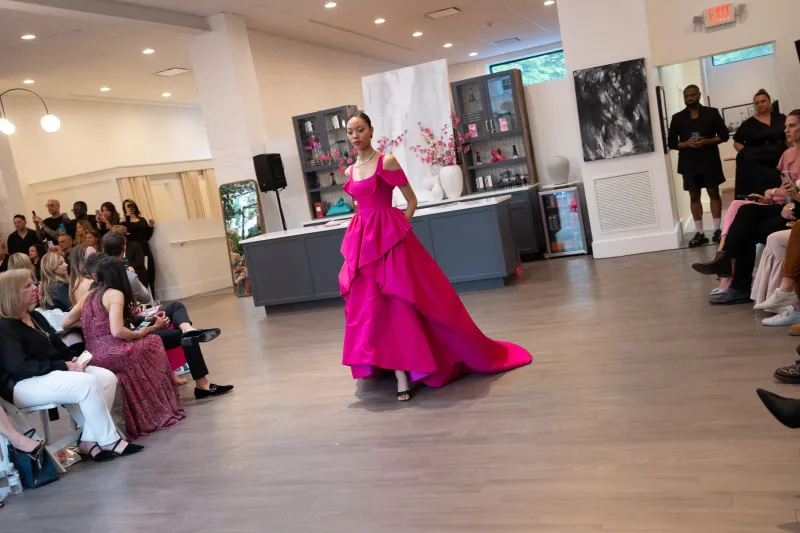
There's a moment at nearly every charity fashion event these days that's become almost ritualistic. The influencer arrives — ring light optional, camera crew not — strikes a pose near the step-and-repeat, tags the nonprofit in a Story, and the internet lights up for approximately 48 hours. Donations trickle in. The post gets shared. Everyone feels good.
But here's the question nobody's really asking out loud: how much of that actually translates into sustained, meaningful fundraising?
We went looking for the answer, and what we found is a lot more complicated than a simple yes or no.
The Visibility Argument (and Its Limits)
Let's be fair to the influencers first. There's a real case to be made for reach. When a macro-influencer with 2 million followers posts about a charity runway event, they're introducing a cause to an audience that might never have heard of it otherwise. For smaller nonprofits especially, that kind of exposure is genuinely hard to buy.
"We saw our Instagram following jump by about 4,000 accounts in three days after a creator with around 800K followers posted about our spring benefit show," says the development director of a Chicago-based housing nonprofit who asked to remain anonymous to protect ongoing partnerships. "That felt huge."
But here's the catch: followers aren't donors. That same organization reported that their actual donation revenue from the event — which cost roughly $18,000 to produce — came in at just under $22,000. A modest margin. And when they traced where those donations originated, less than 6% could be directly attributed to influencer-driven traffic.
"The bulk of our donations came from our existing donor base and a few corporate table sponsors," she admits. "The influencer piece was great for awareness, but awareness doesn't keep the lights on."
Micro vs. Macro: Who's Actually Driving Action?
One of the more surprising findings in our conversations with event organizers is how often micro-influencers — creators with followings between 10,000 and 100,000 — outperform their bigger-name counterparts when it comes to actual fundraising impact.
The reason isn't complicated. Micro-influencers tend to have highly engaged, niche audiences who trust their recommendations. When someone with 25,000 followers who's known for sustainable fashion advocacy shows up to a cause-driven runway event and talks about why it matters to them personally, their audience listens differently than they would to a macro-creator dropping a sponsored-feeling post between brand deals.
"We've started being really intentional about who we invite," says Marcus Webb, co-founder of Runway Roots, a Dallas-based charity fashion collective that produces benefit shows for local social service organizations. "We'd rather have ten creators with 30,000 followers who genuinely care about the cause than one person with a million followers who's going to post once and move on to the next thing."
Webb says his organization now tracks referral codes for every creator partner they work with, so they can see exactly how many tickets were sold and how much was donated through each person's unique link. "Accountability goes both ways," he says. "We're asking our nonprofit partners to be transparent with us, so we should be transparent with our creator partners about what's working."
The Brand Deal Problem
Here's where it gets a little uncomfortable. A growing number of charity runway events have become, for some influencers, less about the cause and more about the content opportunity. The event provides a ready-made, aesthetically pleasing backdrop. The charitable angle adds a layer of feel-good credibility. And if a fashion or beauty brand is also sponsoring the event? That's a co-branded post waiting to happen.
None of that is inherently wrong. Brand partnerships keep events funded. But the line between authentic advocacy and content strategy can get blurry fast — and audiences are increasingly good at detecting the difference.
"I've seen creators show up, take their photos, not stay for the actual show, and post content that doesn't even mention the specific cause the event was supporting," says one event producer based in Los Angeles who works with several mid-size nonprofits annually. "At that point, you're just using the event as a set."
Several nonprofit leaders we spoke with said they've started including participation requirements in their influencer agreements — things like minimum posting commitments, required donation link inclusions, and in some cases, a requirement to actually walk in or participate meaningfully in the event rather than just attend.
What Authentic Advocacy Actually Looks Like
It does exist, and it's worth naming. There are creators who show up to charity runway events because they actually care, who use their platforms to educate rather than just aestheticize, and whose audiences respond by opening their wallets.
The difference tends to show up in the storytelling. Instead of a single Story post with a swipe-up, the creators who move the needle are the ones who share the why — who the nonprofit serves, what the funds will do, why this particular cause matters to them personally. They follow up after the event. They share impact reports. They treat the relationship with the nonprofit like a relationship, not a transaction.
"When an influencer treats our cause like it's their cause, even for a moment, something shifts in their audience," says Tamara Ellis, executive director of a Philadelphia nonprofit that runs youth arts programming. Her organization partnered with a mid-size fashion creator last spring who spent three days volunteering with the program before the benefit runway event. "Her content from those three days raised more than the event itself."
The Accountability Gap — and How to Close It
The fashion philanthropy space needs better metrics, full stop. Right now, too many charity runway events are measuring success by social media impressions rather than dollars raised or tangible community impact. Those aren't the same thing, and pretending they are does a disservice to the causes these events are meant to serve.
Organizations like Runway Roots are leading the way by building creator accountability into their event structures from the start. Other nonprofits are experimenting with longer-term ambassador models rather than one-off event partnerships, giving creators time to build genuine connections with the cause before asking them to go public with it.
For influencers themselves, the ask is simple: if you're going to show up, show up for real. Learn the mission. Share the link. Follow through. Your audience can tell the difference — and so can the organizations counting on you.
The catwalk is a powerful place. It always has been. But when it's in service of a cause, the measure of success can't just be how many people watched. It has to be what changed because of it.