Your Living Room to the Runway: The DIY Fashion Show Movement Raising Real Money for Local Causes
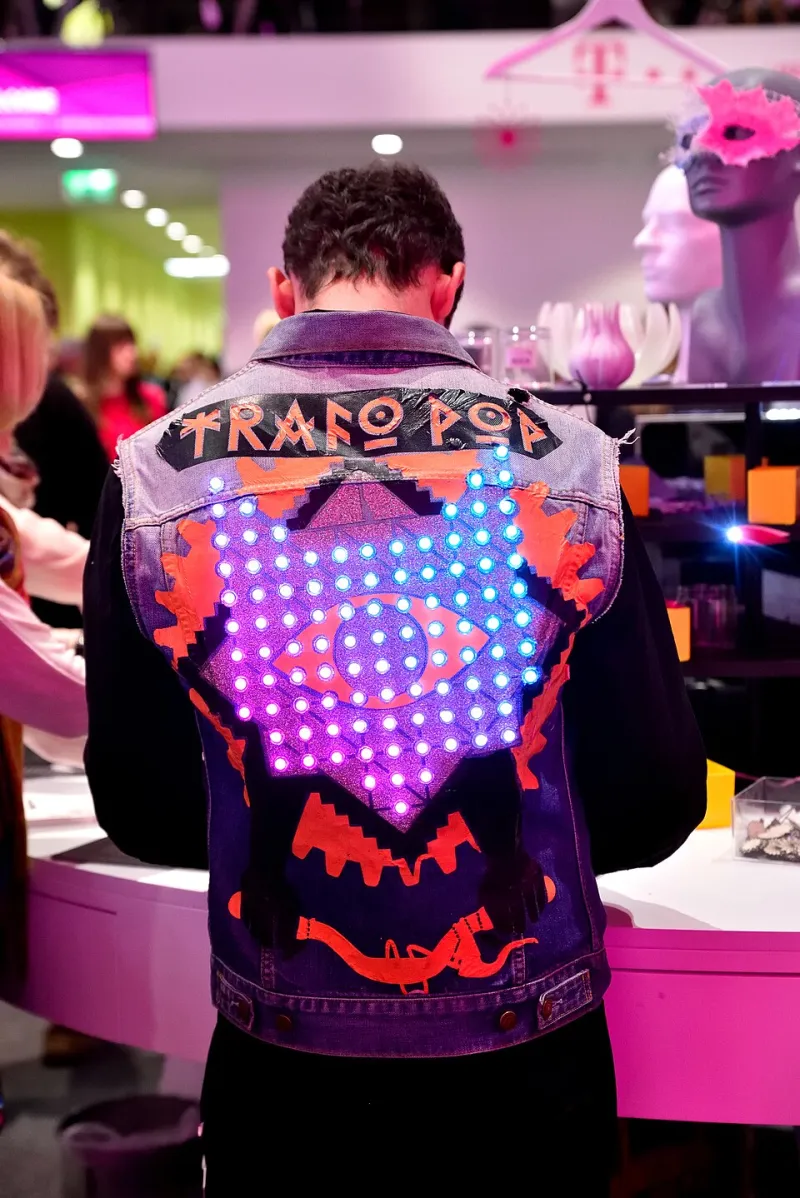
Photo: Frank Schwichtenberg, CC BY 4.0, via Wikimedia Commons
Forget the velvet rope. Forget the front-row celebrities and the $10,000 staging budgets. Some of the most exciting runway moments happening in America right now are unfolding in repurposed church fellowship halls, neighborhood parks, and indie coffee shops — and they're raising thousands of dollars for causes that actually hit close to home.
This is the micro-runway movement, and it's growing fast.
Who's Actually Behind These Shows?
Meet Deja Williams, a 29-year-old middle school art teacher from Atlanta who'd never set foot backstage at a fashion event before she organized a 45-minute runway show last spring to benefit a local domestic violence shelter. With $800 in seed money, a borrowed PA system, and 22 volunteer models recruited from her neighborhood, she raised just over $6,000 in ticket sales and silent auction proceeds.
"I was terrified," she admits. "But I kept thinking — the worst thing that happens is it looks a little rough around the edges. The best thing that happens is the shelter gets a check."
The check was real. So was the crowd.
Across the country, stories like Deja's are multiplying. In Minneapolis, a group of vintage clothing collectors threw a thrift-store runway pop-up to fund a local food pantry. In Austin, a queer fashion collective organized a quarterly micro-show series that rotates its charitable beneficiary each season. In Providence, Rhode Island, a book club — yes, a book club — pivoted into event planning mode to host a sustainable fashion showcase supporting an environmental literacy nonprofit.
None of these organizers had industry credentials. All of them had something arguably more powerful: community trust and genuine passion.
Why the Runway Format Works for Fundraising
There's something uniquely compelling about a live runway show as a fundraising vehicle. Unlike a gala dinner or a 5K, a fashion show is inherently visual, social, and shareable. People pull out their phones. They post. They tag. The cause gets amplified in real time in ways that a silent auction table simply can't replicate.
There's also an accessibility factor that traditional fashion events have historically ignored. When a show is organized by and for a local community, the audience isn't just spectators — they're participants. Models might be neighbors, teachers, or regulars at the local gym. The clothes might come from consignment shops down the street. That relatability is magnetic.
"People aren't coming to see something unattainable," says Marcus Reid, who co-organized a charity runway event in Charlotte benefiting a youth mentorship program. "They're coming to see themselves. And when that's the vibe, they open their wallets."
A Practical Playbook for Your First Micro-Runway
Thinking about launching your own? Here's what the most successful DIY organizers say actually matters.
Start with the cause, not the clothes. Pick a nonprofit or local organization you genuinely care about and reach out early. Having an official partner legitimizes the event and often unlocks their existing donor network. Many smaller nonprofits are thrilled to collaborate and can help promote through their own channels.
Keep the venue scrappy and intentional. A community center, a local boutique after hours, a rooftop, or even a wide hallway can become a runway with the right lighting and a little creativity. Aim for a space that holds 50–150 people comfortably. Intimate is an asset, not a limitation.
Source looks locally. Thrift stores, local designers, vintage shops, and attendees' own closets are all fair game. This keeps costs low and ties the fashion directly to the community. Bonus: it becomes a talking point that reinforces your charitable mission.
Build a small, reliable team. You need someone handling ticket logistics, someone managing models and backstage flow, and someone on social media the night of the event. Three focused people beat a committee of twelve distracted ones every time.
Diversify your revenue streams. Ticket sales are just the start. Consider a silent auction, a "tip your model" moment during the show, a raffle, or a live giving prompt from the stage. Several organizers have added a QR code donation option displayed during the finale walk — it's become one of the highest-converting moments of the night.
Document everything. Photos and short video clips are your best marketing tool for next year's event and for inspiring others in your network to do the same.
The Bigger Picture: Democratizing the Runway
What's happening with micro-runway events isn't just cute or heartwarming — it's structurally significant for the charitable fashion space. For decades, fashion philanthropy has largely been the domain of established brands, industry insiders, and well-funded nonprofits with the clout to attract designer partnerships. The grassroots runway movement cracks that model wide open.
When everyday people can produce meaningful fashion events, the causes that benefit expand dramatically. Hyper-local organizations — the ones that rarely appear on a brand's CSR report — suddenly have a fundraising vehicle. Underrepresented communities get to define what fashion advocacy looks like on their terms.
It also changes who gets to walk. Many micro-runway events deliberately cast models of all ages, sizes, abilities, and backgrounds — not as a diversity checkbox, but because the community organizing the show simply looks like that. The runway stops being aspirational in the old, exclusionary sense and becomes something more honest and more interesting.
The Ripple Effect Is Real
Deja Williams is already planning her second Atlanta show. This time, she's partnering with three local vintage sellers for a styled pop-up marketplace before the main event, and she's aiming to double last year's fundraising total. She's also been fielding messages from people in other cities asking how she pulled it off.
"I tell everyone the same thing," she says. "You don't need permission. You just need a reason."
In a fashion landscape that often feels dominated by gatekeepers, that might be the most radical statement of all. The catwalk has always had the power to move people — financially, emotionally, culturally. It just took a few determined community members to remind us it doesn't have to be located in New York or LA to do it.
Your city has causes worth fighting for. Your closet has looks worth showing. What are you waiting for?