Real Talk: What Actually Happens When Celebrities Lace Up for Charity Runways
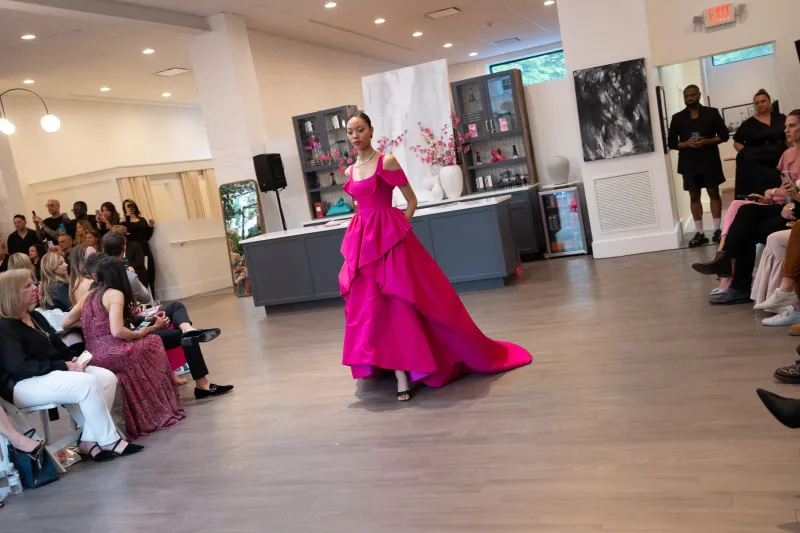
Photo: celebrity influencer charity fashion runway event audience, via wwd.com
There's a moment that happens at almost every celebrity-driven charity fashion event. The influencer hits the runway, the crowd goes wild, the phones go up, and somewhere in the back of the room, an event organizer exhales — either with relief or quiet frustration. Because depending on how the partnership was built, that same viral moment can mean thousands of dollars raised for a life-changing cause, or it can mean a lot of Instagram impressions that don't translate to a single donated dollar.
We've been watching this space closely at Catwalk 4 A Cause, and honestly? The influencer-charity fashion world is having a reckoning right now. Audiences are sharper. Donors are more skeptical. And the organizations doing this work are getting more intentional about who they invite onto their runways.
The Promise — and the Problem — with Star Power
Let's be real: celebrity involvement works. When Tabitha Brown walked in a plant-based fashion fundraiser in Los Angeles last year, ticket sales spiked within 48 hours of the announcement. When a mid-size beauty influencer with 2.3 million followers posted about a New York charity gala she was attending, the event's online donation page crashed from traffic. Reach matters. Attention is currency.
But here's the tension. Reach without roots is just noise. Event organizers across the country are starting to talk openly about what happens when a celebrity partnership goes sideways — when the influencer shows up for the photo op, posts their three stories, and disappears before the paddle raise even starts. The cause gets the clout for a day. The influencer gets the halo. And the nonprofit gets… maybe a bump in website visits that doesn't convert.
"We had a partnership a couple of years ago that looked incredible on paper," said one nonprofit event director in Chicago who asked to remain anonymous. "Big following, great aesthetic alignment, genuinely seemed enthusiastic in the planning calls. But the day of the event, there was zero engagement with our actual mission. It was content creation, not advocacy. We learned a lot from that."
What the Good Ones Actually Look Like
So what separates a performative catwalk cameo from a collaboration that actually drives change? Organizers who've cracked this say the answer starts way before the event itself.
The most successful influencer-led runway fundraisers share a few common threads. First, the celebrity or influencer has a pre-existing, documented connection to the cause — not a connection that was invented for the press release. Second, they're involved in the creative and advocacy process, not just the final presentation. Third, they use their platform to educate, not just promote.
Take the work being done by organizations like the National Alliance on Mental Illness (NAMI) and their fashion-forward fundraising events, where they've been intentional about partnering with public figures who've spoken openly about mental health struggles. The storytelling on the runway isn't separate from the cause — it IS the cause. That's when the magic happens.
Meghan Rienks, a lifestyle influencer who's been involved with multiple charitable fashion events, put it plainly in a podcast interview last spring: "If I'm walking a runway for a cause, my audience needs to understand why I care. Not just that I care. The 'why' is what gets people to donate."
The Slacktivism Question
Audiences — especially Gen Z audiences — are increasingly fluent in the language of performative activism. They've grown up watching brands slap a rainbow on a logo for Pride Month and call it advocacy. They know what it looks like when the effort is minimal and the optics are maximum. And they're calling it out.
A 2023 survey by the nonprofit research group Fenton found that 67% of Americans aged 18-34 said they'd become more skeptical of celebrity-driven charitable campaigns over the past three years. That's not cynicism for cynicism's sake — that's an informed audience demanding accountability.
For charity fashion events, this skepticism cuts both ways. It's a challenge, because it means you can't just book a big name and expect the room to open their wallets. But it's also an opportunity, because audiences who are paying close attention are also capable of being deeply moved when something is genuine. The bar is higher. The reward for clearing it is bigger.
How Organizers Are Vetting Partners Now
The smartest event producers in this space have quietly developed informal but rigorous processes for evaluating potential celebrity collaborators. They're looking at things like: Has this person talked about this cause before, unprompted? Are they willing to be briefed on the organization's specific programs and outcomes? Will they speak at the event, not just walk? Are they asking questions about impact, or just questions about the dress code?
One event producer based in Atlanta who runs annual runway fundraisers for housing justice organizations described her process this way: "I send every potential partner a one-pager about the families we serve. I watch how they respond. Do they ask follow-up questions? Do they share it with their team? That tells me everything."
She also emphasized the importance of post-event accountability: "We ask our partners to post at least one piece of content after the event that includes the donation link and a specific impact stat. Not just a recap photo. Something that actually drives action."
The Catwalk 4 A Cause Take
Here's where we land on this: celebrity involvement in charity fashion events isn't inherently good or inherently bad. It's a tool. And like any tool, its value depends entirely on how it's used.
The events that are getting it right are treating their influencer partnerships the same way they treat every other element of their event design — with intention, with accountability, and with the cause at the center. They're not asking celebrities to be props on a runway. They're inviting them to be co-advocates with a platform.
And when that works? When a public figure with real reach stands on a runway and tells a genuine story about why a cause matters to them, and a room full of fashion-forward donors pulls out their phones to give — not to post, but to give — that's when the catwalk becomes something more than a catwalk.
That's when runway actually meets purpose.
If you're an event organizer navigating influencer partnerships, or a public figure looking to get involved in cause-driven fashion in a meaningful way, we'd love to hear from you. This conversation is just getting started.