Glamour Is Expensive: The Hidden Math Behind Charity Runway Shows and the Organizers Finally Doing It Differently

Photo by Photo by Kenula Abeywickrama on Unsplash on Unsplash
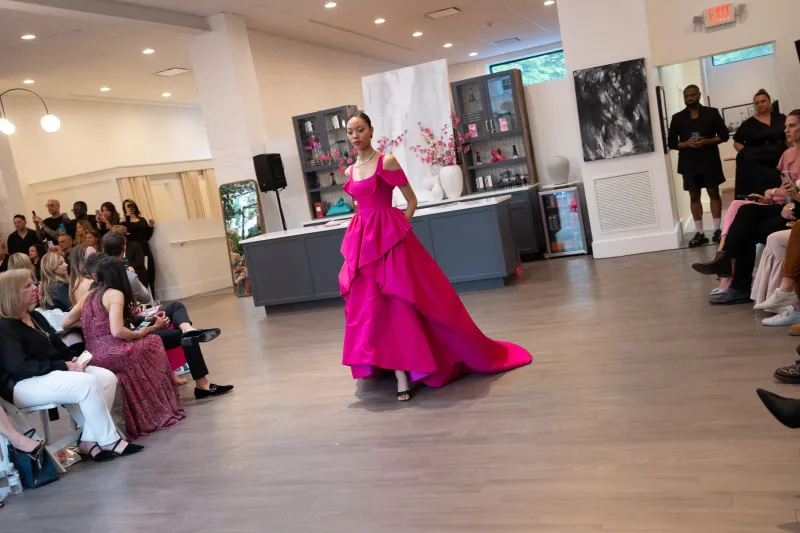
Here's a scenario that plays out more often than the nonprofit world wants to admit: a benefit fashion show sells out, the crowd goes wild, the photos are stunning, and the cause gets a gorgeous moment in the spotlight. Then the invoices arrive. Venue rental. Lighting rigs. Sound equipment. A DJ. Catering. Models. Hair and makeup. Printing for programs. A photo booth that felt like a good idea in the planning meeting. And suddenly, the $80,000 the event grossed is looking a lot more like $12,000 in actual net proceeds—if you're lucky.
This is the charity fashion paradox, and it's one of the worst-kept secrets in the philanthropic events space.
The Real Cost of Looking Good
Producing a runway show that feels polished enough to attract serious donors is not cheap. Industry producers estimate that a mid-level benefit fashion show in a major US city—think Chicago, Atlanta, or Los Angeles—can easily run $40,000 to $70,000 in hard production costs before a single ticket is sold. That includes venue, AV, staging, staffing, and the kind of lighting setup that makes clothes actually look good on a runway.
"People see the ticket price and assume the organization is swimming in money," says one event producer who has worked charity runway circuits across the Southeast for over a decade. "What they don't see is that we spent six months negotiating vendor discounts just to get the overhead down to a place where the event breaks even on a bad night."
Breaking even. On a fundraiser. That's the quiet crisis hiding behind a lot of very beautiful Instagram grids.
The problem isn't that organizers are reckless. It's that the format itself carries structural costs that are hard to escape. A runway show has expectations baked in—lighting that flatters, sound that doesn't echo, a physical space large enough for an audience and a catwalk. Strip any of those elements and you risk losing the donors who showed up for the experience, not just the cause.
When Spectacle Becomes a Liability
Nonprofit directors are increasingly willing to say out loud what used to be whispered in post-event debriefs: the gala model is broken for a lot of organizations.
"We did the math after our third annual show and realized we were putting in about 1,200 hours of staff and volunteer time to net roughly $18,000," says the development director of a mid-sized reproductive health nonprofit based in the Midwest, who asked not to be named because her board is still attached to the event format. "That's not a fundraiser. That's a really exhausting brand awareness campaign."
Brand awareness has value—no one's disputing that. A well-executed runway event can introduce a cause to new donors, generate press, and create community energy that's genuinely hard to manufacture other ways. But when organizations are measuring success by how good the night felt rather than how much money actually hit the bank account, something has gone sideways.
The pressure to perform spectacle is also tied to donor expectations in ways that create a difficult feedback loop. Attendees who pay $150 or $250 a ticket often expect a certain level of production. Deliver less, and the reviews sting. Deliver more, and the overhead climbs. It's a trap that smaller nonprofits especially struggle to escape.
The Organizers Flipping the Script
The good news? A growing cohort of event producers and nonprofit leaders are actively experimenting with models that treat the runway as a tool rather than the main event—and the results are genuinely encouraging.
One approach gaining traction is the hybrid ticketing model, where a smaller, lower-production live show serves as the anchor for a much larger digital fundraising push. Organizations run a stripped-back in-person event—often in a donated or deeply discounted space—while simultaneously broadcasting to a virtual audience that can donate in real time. The live crowd gets the energy and exclusivity. The digital audience gets access. The organization gets two revenue streams without doubling its production budget.
"We cut our production spend by about 60 percent and actually raised more money than we did the previous year," says a Chicago-based event strategist who helped a local housing advocacy nonprofit restructure its annual fashion fundraiser. "The in-person event became the content engine for the digital campaign. The two things fed each other."
Another model getting attention is the designer partnership revenue share, where participating designers contribute a percentage of sales generated through the event—either through live pop-up shopping or tracked affiliate links—rather than the organization relying solely on ticket sales and donations. This turns the runway into a literal marketplace and aligns designer incentives with fundraising outcomes in a way that traditional sponsorship arrangements often don't.
Then there's the radical simplicity approach: ditch the traditional runway format entirely and build something that costs less to produce by design. Cocktail showcases. Pop-up styling events. Curated thrift auctions. Community fashion swaps with a giving component. These formats can generate real dollars without the six-figure overhead, and they often attract a broader, younger audience that's increasingly skeptical of galas as a concept.
Auditing Your Runway Like a Business
The shift in mindset that seems to separate organizers who are thriving from those who are quietly spinning their wheels is pretty simple: treating the event like a business with a P&L, not a party with a cause attached.
That means calculating the true cost of staff time, not just vendor invoices. It means setting a minimum net revenue threshold before the event gets the green light. It means being honest with your board when the numbers don't pencil out—and being willing to change the format even if the old version was beloved.
"The most important question we ask now before we commit to any event format is: what's the most efficient path from this idea to actual dollars in our operating budget?" says one nonprofit executive director based in Nashville who restructured her organization's annual fashion event after a particularly brutal post-show audit. "Sometimes the answer is still a runway show. But sometimes it's a really well-executed online auction with a ten-minute video. And that's okay."
The Cause Deserves Better Math
None of this is an argument against charity fashion events. Done well, with real financial discipline and a clear-eyed understanding of costs, they can be genuinely powerful fundraising tools—and they do things for brand-building and community connection that spreadsheets can't fully capture.
But the causes these events support deserve more than a beautiful night that barely moves the financial needle. The communities counting on that money—whether it's domestic violence survivors, environmental advocacy, youth arts programs, or food security initiatives—need organizations that are asking hard questions about efficiency and impact, not just aesthetics.
The organizers getting it right right now are the ones who fell in love with the mission first and the runway second. They're the ones who will look you in the eye and tell you the show was smaller this year because they wanted to actually raise more money. And honestly? That's the most fashionable thing we've heard in a while.