When Doing Good Becomes a Look: The Dark Side of Philanthropy as Personal Brand
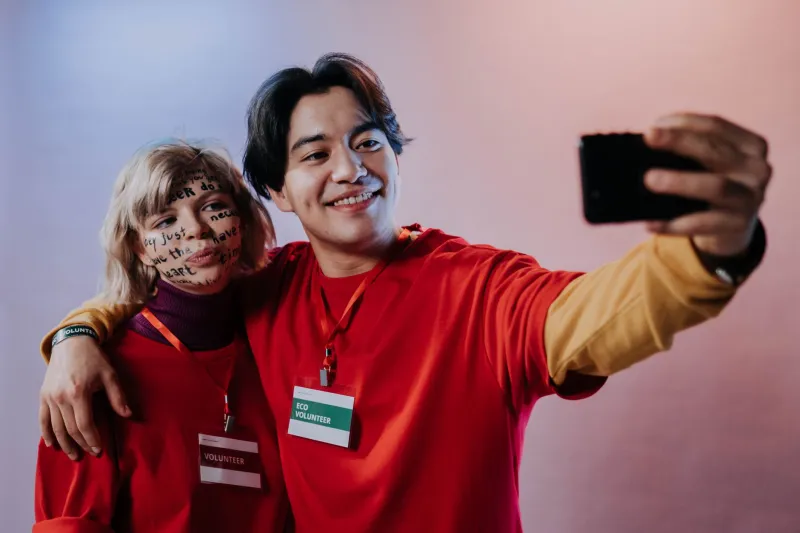
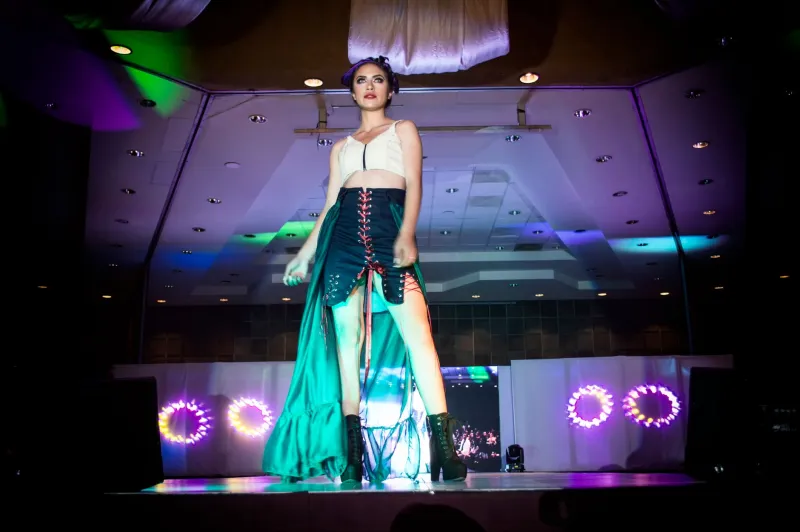
There's a specific kind of photo that floods social feeds every charity runway season. You know the one. A perfectly lit shot of someone in a stunning outfit, champagne in hand, caption reading something like "So honored to support such an incredible cause tonight 🖤✨ #GiveBack #FashionForGood." The likes pour in. The comments are full of fire emojis. And by the following Tuesday, that person has moved on entirely—no donation follow-through, no volunteer shift, no second thought about the organization they name-dropped.
This is the charity runway hangover nobody wants to talk about. And it's getting worse.
The Glow-Up of Conscious Consumption
Let's be honest: there's always been a social dimension to charitable giving. Galas and benefit dinners have doubled as networking events for decades. Wearing the right thing to the right cause has long been a signal of taste, values, and social standing. That's not new.
What is new is the speed and scale at which personal branding tools—Instagram, TikTok, LinkedIn "impact" posts—have transformed a night at a charity runway into a curated identity moment. Attendees aren't just showing up to support a cause anymore. They're producing content about showing up to support a cause. And those are very different things.
"There's a real difference between someone who attends because they care about the mission and someone who attends because it fits the aesthetic they're building online," says one development director at a mid-sized nonprofit in Atlanta who asked to remain anonymous. "We can usually tell within two weeks which one is which. The second group ghosts us completely after the event."
She's not alone in noticing this pattern. Nonprofit leaders across the country describe the same experience: a spike in social media mentions during and immediately after a fashion event, followed by near-total silence. Email open rates from event attendees often crater within a month. Re-engagement campaigns get ignored. The buzz doesn't convert.
Dopamine, Luxury, and the Feel-Good Illusion
So why does this happen? Why do people who seem genuinely moved in the moment—who post with what looks like real enthusiasm—vanish so quickly?
Part of the answer lives in neuroscience. The emotional experience of attending a high-production charity runway event shares a surprising amount of neurological territory with luxury shopping. Both involve elevated environments, social signaling, a sense of exclusivity, and a reward loop that's more about feeling generous than being generous.
"When you attend an event like this, you get a burst of what researchers call 'warm glow'—the positive emotion associated with prosocial behavior," explains one behavioral psychologist based in New York who studies consumer motivation. "The problem is that the warm glow is often fully satisfied by the act of attending, or even just by posting about attending. The brain has already filed it under 'good deed done.' There's no internal pressure to follow through."
Add to that the dopamine hit of social validation—the likes, the comments, the DMs saying "omg you look amazing and you're doing so much good"—and you've essentially short-circuited the motivation to take any further action. The reward has already arrived. The cause was the vehicle, not the destination.
The Aesthetics of Activism
Scroll through any major charity fashion event hashtag and you'll notice something: the content is almost entirely about the people attending, not the cause being supported. Outfit breakdowns. Photo dumps. "Night out" vibes with a charity tag tacked on.
This isn't entirely the attendees' fault. Event organizers—often under pressure to sell tickets and generate buzz—have increasingly leaned into the aspirational lifestyle angle. Mood boards featuring candlelit venues, designer looks, and celebrity sightings sell faster than impact reports. The cause becomes a backdrop, and the event itself becomes the product.
"We've watched some events basically become fashion parties that happen to mention a nonprofit," says a veteran event producer in Los Angeles who has worked on both commercial runway shows and charity benefits. "The cause is in the program, maybe in a two-minute speech, and then it's just vibes for the rest of the night. You can't be surprised when people treat it like a vibe."
The result is a self-reinforcing cycle. The more a charity event markets itself as a status experience, the more it attracts people seeking status. And the more those people dominate the room, the more the event's culture shifts away from genuine advocacy.
What Real Engagement Actually Looks Like
None of this means charity runway events are inherently broken. But the ones actually moving the needle on causes are doing things differently—and it shows.
Organizations that see sustained donor engagement after events tend to share a few common traits. They're specific about impact during the event itself, not just in post-show emails. They create opportunities for attendees to make tangible, immediate commitments—not just swipe a card for a ticket but sign up for something ongoing. And they're intentional about the community they're building, prioritizing depth over headcount.
Some events have started incorporating what organizers call "mission moments"—structured portions of the evening where a beneficiary or program leader speaks directly and at length about the work, moving the conversation beyond the aesthetic frame. Others have experimented with post-event "action pledges" that attendees commit to publicly, creating a layer of social accountability that mirrors the same social dynamics that fuel performative giving—but redirects them toward actual follow-through.
"If someone is motivated by how they look to their community, that's not automatically a bad thing," says the Atlanta development director. "You just have to design the experience so that continuing to show up is what looks good. Not just the one night."
The Mirror We All Need to Look Into
Here's the uncomfortable part: if you've ever attended a charity fashion event, there's a real chance you've been at least a little guilty of this. Not because you're a bad person, but because the system is designed to make the performance feel like the point.
Asking yourself harder questions—Where does the money actually go? What is this organization doing week to week? How can I be useful beyond buying a ticket?—isn't a buzzkill. It's what separates fashion activism from fashion aesthetics.
The runway can absolutely be a place where style and purpose collide in meaningful ways. Catwalk 4 A Cause was built on exactly that belief. But purpose has to be the engine, not the backdrop. And that starts with all of us being honest about why we're really in the room.
Showing up is a start. Staying engaged is the actual work. And no amount of fire emojis changes that.