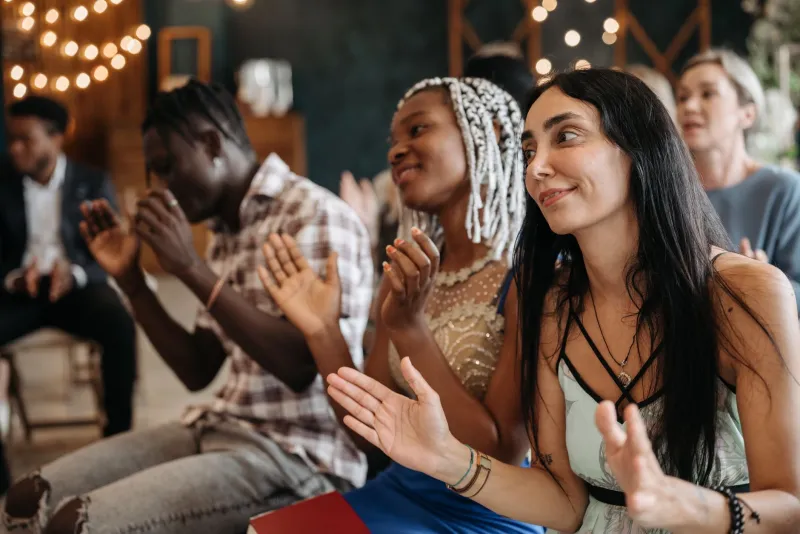
After the Applause Fades: Why Charity Fashion Needs a 365-Day Game Plan

Let's be honest about something the charity fashion world doesn't love to admit: most benefit runway events are incredible for exactly one night. The venue is packed, the looks are stunning, the paddle raise hits its goal, and everyone leaves feeling genuinely good about what just happened. Then January — or March, or whenever the post-gala quiet sets in — arrives like a cold splash of water. Donors go silent. Volunteers drift back to their regular lives. The nonprofit is left trying to keep a fire burning with nothing but embers.
This isn't a failure of passion. It's a structural problem. And enough organizations have now cracked the code that there's really no excuse for running a one-night-stand fundraising model anymore.
The Momentum Gap Is Real — and Expensive
Nonprofit development directors will tell you, usually off the record, that the weeks immediately following a major gala are some of the hardest of the year. You've just asked your community for everything — their time, their money, their social media attention — and now you need to figure out how to stay relevant until you can ask again.
The average charity fashion event costs somewhere between $40,000 and $150,000 to produce, depending on scale. For organizations that only run one annual event, that investment has to carry an enormous amount of weight. When donor retention rates in the nonprofit sector already hover around 43 percent, losing the emotional high of a runway moment without a follow-up strategy is basically lighting money on fire.
The good news? The organizations doing this well aren't reinventing philanthropy. They're just treating their runway event the way smart brands treat a product launch — as the beginning of a relationship, not the culmination of one.
Launchpad, Not Landing Strip
Consider how a handful of mid-sized US nonprofits have restructured their fashion programming. Instead of building toward a single annual gala, they've started using that event to publicly kick off a season of engagement.
One model gaining traction: the runway as reveal. Organizations announce their year's cause partnerships, featured designers, and community initiatives at the event, so attendees leave with something to follow rather than just a memory to post about. The night becomes chapter one instead of the grand finale.
A youth arts nonprofit in the Pacific Northwest piloted this approach a few years back, using their spring benefit show to unveil a mentorship program pairing local teen designers with established names in the regional fashion scene. The runway wasn't just a fundraiser — it was a recruitment event. Attendees who wanted to stay involved had a clear, tangible way to do it. Volunteer applications for the mentorship program spiked in the 72 hours after the show. That's the kind of post-event energy most galas never generate.
Building the In-Between
Year-round engagement doesn't have to mean year-round events. It means creating consistent touchpoints that keep your community emotionally invested in the cause between the big moments.
Some of the most effective tools are also the most accessible:
Capsule content series. Monthly or quarterly digital content — behind-the-scenes looks at the designers you support, updates on the communities your funds are reaching, spotlights on volunteers — keeps your audience connected without requiring a venue or a catering bill. Fashion audiences are already primed for this kind of visual storytelling. Use it.
Micro-activations. Pop-up styling events, trunk shows with cause-aligned designers, or even virtual fashion panels can keep the community gathering in lower-stakes settings throughout the year. These don't need to be revenue events — sometimes their job is just to remind people why they showed up in the first place.
Tiered giving programs with fashion perks. Several organizations have had real success building sustaining donor tiers that offer fashion-adjacent benefits — early access to runway tickets, exclusive designer collaborations, invitations to intimate design studio visits. When philanthropy and personal style intersect in someone's daily life, retention goes up.
The Designer Relationship Piece
Here's something worth saying directly: the designers who walk your runway are one of your most underutilized year-round assets.
When a designer shows in a charity runway event, they're making a public statement about what they stand for. The savviest nonprofits are formalizing that relationship — turning a one-night collaboration into an ongoing ambassadorship. That might look like a designer hosting a workshop for the communities you serve, contributing a piece to a year-round auction, or simply staying vocal about the cause on their own platforms.
A Chicago-based organization focused on economic mobility has done this particularly well, maintaining a rotating cohort of "cause designers" who commit to quarterly engagement beyond the annual show. The result is a network of advocates who reach audiences the nonprofit could never access on its own — and a pipeline of fresh creative energy that keeps the brand feeling alive between galas.
What Donors Actually Want
There's a tendency in the nonprofit world to assume donors want to be left alone between asks. The data increasingly suggests the opposite, at least for the kind of style-forward, cause-conscious audience that shows up to charity fashion events.
This demographic — largely millennial and Gen Z, disproportionately active on visual platforms — responds well to transparency, storytelling, and community. They want to know what happened to the money they raised. They want to feel like insiders, not ATMs. And they want the organizations they support to reflect their values consistently, not just on gala night.
That's actually an opportunity, not a burden. It means your community wants more from you. The organizations winning at year-round engagement are the ones leaning into that appetite rather than treating it as an inconvenience.
The Mindset Shift That Changes Everything
At the end of the day, the organizations that have cracked year-round fashion philanthropy share one thing in common: they stopped thinking of their runway event as a fundraising mechanism and started thinking of it as a community-building moment.
The dollars matter, obviously. But the real asset generated on gala night is attention — and attention has a half-life. What you do in the days, weeks, and months that follow determines whether that attention compounds into something durable or evaporates by the time your next save-the-date goes out.
The catwalk is a starting line. The work — and the real impact — happens in all the space that comes after it.