Good Cause, Dirty Hands: The Uncomfortable Truth About Who's Really Bankrolling Charity Runways
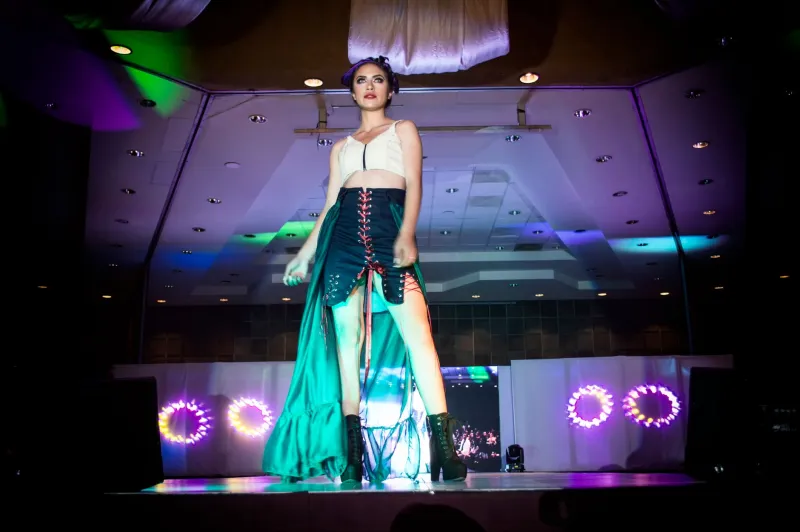
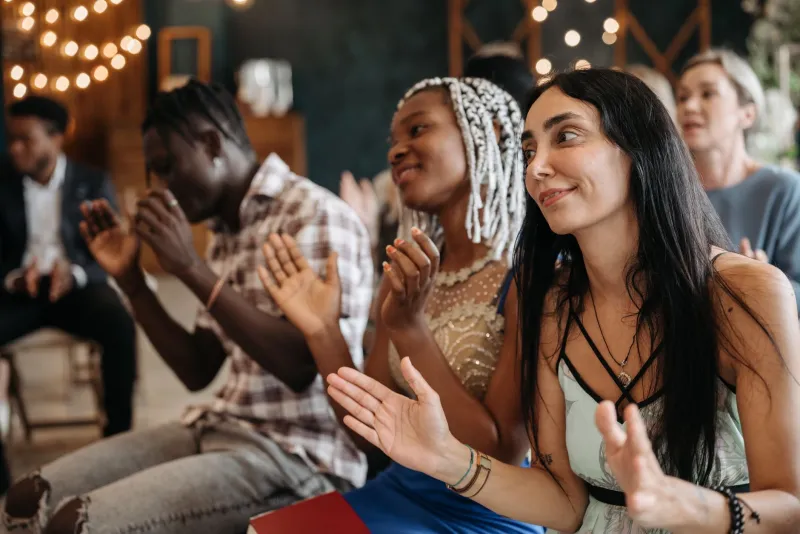
Let's set the scene. You're standing in a sleek event space somewhere in downtown Chicago or maybe a repurposed warehouse in Brooklyn. The lights are low, the music is right, and models are walking for a cause that genuinely matters to you — maybe it's food insecurity, maybe it's climate justice. You paid $150 for your ticket, you've got a cocktail in hand, and you feel, honestly, good.
Now let's complicate that feeling.
Because three of the four brands whose clothes just walked that runway? They're currently under scrutiny for wage theft in their overseas factories. One of them settled a labor violation lawsuit in Bangladesh two years ago and quietly moved on. Another sources from suppliers flagged repeatedly by labor watchdogs for unsafe working conditions. And all of them just got a round of applause.
This is the charity fashion paradox — and it's way more common than the industry wants you to know.
The Sponsorship Problem Nobody Wants to Name
Charity runway events run on money. That's just reality. Venue costs, production, lighting, catering, PR — a single mid-sized benefit show in a major US city can easily run $50,000 to $200,000 before a single dollar goes to the cause. Someone has to fund that. And increasingly, that someone is a major fashion brand looking for a reputation boost.
Here's where it gets messy. The brands with the biggest marketing budgets — the ones who can write a $25,000 sponsorship check without blinking — are often the same ones with the most to hide. Fast fashion giants, legacy department store labels, and even some aspirational mid-market brands have well-documented records of labor exploitation, environmental violations, and supply chain opacity. But a headline sponsorship at a charity runway buys something that no amount of crisis PR can: the visual association with doing good.
When a brand's logo appears on the step-and-repeat next to a nonprofit's name, that's not just advertising. That's moral laundering. And event organizers, often under enormous financial pressure to make the numbers work, don't always ask the questions they should before cashing the check.
What Consumers Think They're Buying
Research consistently shows that Americans are motivated by values when it comes to discretionary spending — especially younger consumers. A 2023 survey from NielsenIQ found that 78% of US consumers say a sustainable lifestyle is important to them. Charity fashion events tap directly into that desire. They offer a way to feel like your social life is doing double duty — you're having fun and making an impact.
But that sense of alignment between your values and your actions depends entirely on the integrity of the event itself. When a benefit runway is structured in a way that amplifies brands with exploitative practices, the consumer's good faith participation becomes something closer to complicity — even if they had no idea.
That's not a comfortable thing to say. But it's an important one.
The problem isn't that people want to do good. It's that the charity fashion ecosystem hasn't built reliable mechanisms for ensuring that doing good at the event level doesn't contradict harm happening everywhere else in a brand's operation.
The Cognitive Dissonance Is Real — And Brands Count On It
There's a reason corporations love cause marketing. It works. Studies show that brand association with charitable activity measurably improves consumer perception, even when consumers are aware of the brand's other controversies. The emotional experience of the event — the energy, the community, the feeling of generosity — overrides the more analytical question of whether the brand's overall impact is net positive.
Fashion brands that sponsor charity runways know this. They're not naive. A $25,000 sponsorship that generates $250,000 in goodwill and social media coverage is an extraordinary return on investment. Especially when that goodwill serves as a buffer against the next round of labor violation headlines.
Some advocates have started calling this "halo washing" — distinct from greenwashing in that it uses philanthropic association rather than environmental claims to manufacture a positive image. And the charity fashion space is one of the most effective arenas for it.
So Are You Complicit?
This is the question that makes people uncomfortable, and it should. But let's be fair about what complicity actually means here.
Attending a charity runway event doesn't make you a bad person. It doesn't mean you endorse every brand on the sponsor wall. What it does mean is that your presence, your ticket purchase, and your social media posts contribute to the event's success — and by extension, to the reputational benefits that sponsors extract from it.
That's worth sitting with. Not as a reason to stay home, but as a reason to show up differently.
Asking questions before you buy a ticket is a form of advocacy. Posting about a brand's labor record alongside your event photos is a form of accountability. Choosing to attend events that have transparent vetting criteria for sponsors is a form of market pressure. None of these things require you to opt out of the fun. They just require you to bring your full awareness into the room.
What Good Vetting Actually Looks Like
Some events are doing this right — and they deserve credit for it. Organizations that publish their sponsor criteria publicly, that require participating brands to submit supply chain documentation, or that explicitly exclude companies under active labor investigations are setting a standard that the rest of the industry should be chasing.
The Remake Community, which advocates for garment worker rights, has been pushing for years for transparency standards in fashion philanthropy. Their annual Fashion Accountability Report names names — both the brands falling short and the ones making measurable progress. That's the kind of resource event organizers should be consulting before finalizing their sponsor list.
Consumers can use it too. If a brand is headlining a charity runway near you, five minutes on Remake's site or Good On You's brand directory will tell you a lot about whether their presence at that event is meaningful or performative.
The Ask
Charity fashion has real potential. The model of using style and spectacle to drive awareness and dollars toward meaningful causes is genuinely powerful. Catwalk 4 A Cause exists because we believe in that potential.
But that potential is undermined every time an event hands a megaphone to brands that are actively causing the kinds of harm these events claim to fight. Labor exploitation, environmental destruction, and economic inequity don't disappear because a brand bought a table at a benefit dinner.
The runway should be a place where purpose is non-negotiable — not a place where it's for sale to the highest bidder.
So the next time you're considering a charity fashion event, do a little homework. Find out who's sponsoring it. Look up those brands. And if what you find doesn't sit right, say something — to the organizers, on social media, or with your wallet.
The cause deserves better. So do you.