One and Done: Why Charity Runway Attendees Aren't Coming Back (And What Events Are Getting Wrong)
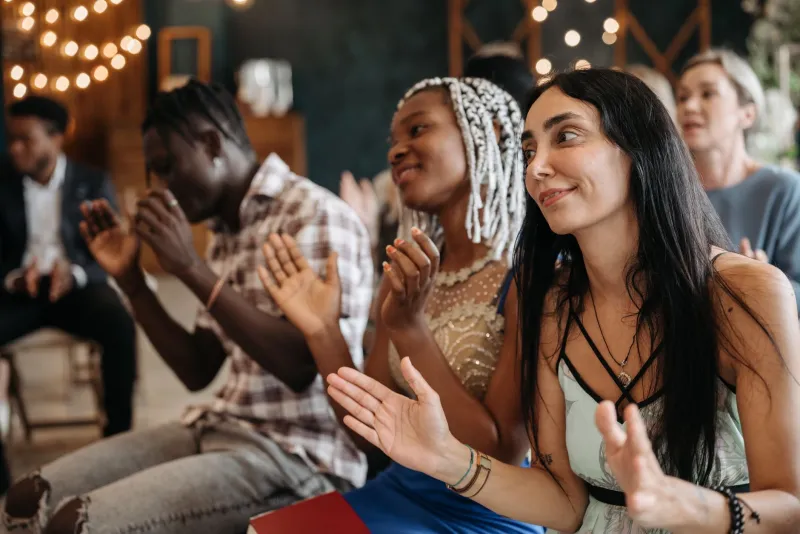
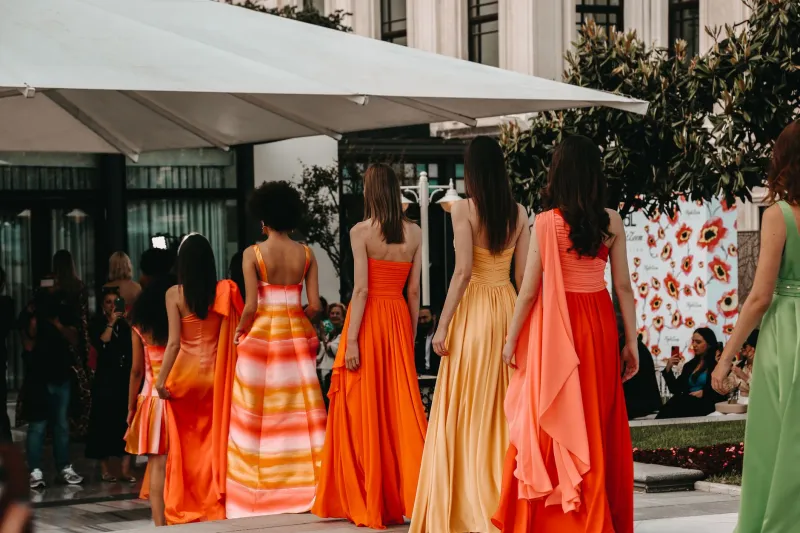
There's a moment at almost every charity runway event — somewhere between the third passed appetizer and the opening walk — where the room feels electric. People are dressed up, the lighting is doing its job, and everyone is genuinely convinced they're part of something meaningful. Tickets sold. Mission accomplished, right?
Not quite.
Behind the velvet ropes and Instagram-worthy centerpieces, a quieter crisis is playing out across the charity fashion event circuit: first-time donors are showing up, having a great time, and then disappearing. Permanently. According to data from the Fundraising Effectiveness Project, the average nonprofit retains only about 19% of first-time donors — and anecdotal evidence from event organizers suggests charity runway shows are no exception, and may actually be worse.
So what's going wrong? And more importantly, what does it take to fix it?
The Experience Gap Nobody Wants to Admit
Here's the uncomfortable truth: a spectacular event and a meaningful donor relationship are not the same thing. Charity fashion shows are extraordinarily good at creating atmosphere. They are considerably less good at creating connection.
"People come for the show and they leave with the show," says one nonprofit development director who works with multiple benefit events in the Chicago area and asked not to be named. "We give them a beautiful night. What we don't always give them is a reason to care tomorrow morning."
That gap — between the emotional high of a runway moment and the quieter, more durable work of donor engagement — is where retention goes to die. Event organizers pour enormous resources into production value: lighting, staging, designer lineups, celebrity appearances. The follow-up infrastructure? Often an afterthought.
First-time attendees frequently describe a similar experience: they bought a ticket because a friend invited them, or because the cause sounded worthwhile, or because the event looked fun. They had a genuinely good time. Then they received a generic thank-you email, maybe a donation receipt, and nothing else of substance. Weeks passed. The connection faded.
"I went to a benefit show last spring for a housing nonprofit," says Dana, a 34-year-old marketing professional from Atlanta. "I actually got emotional during the program — they showed videos about the families they were helping. But then I never heard from them again in a way that felt personal. Six months later they emailed me asking for money and I barely remembered who they were."
Fashion Is the Door, Not the House
The fundamental misunderstanding at the heart of most charity runway events is treating the fashion experience as the entire relationship rather than the entry point to one.
Styled looks and runway moments are genuinely powerful tools for capturing attention and generating initial enthusiasm. The fashion world's ability to create desire, aspiration, and emotional resonance is real — and nonprofits are right to leverage it. But desire for an experience and commitment to a cause are different muscles, and events rarely do the work of building the second one.
Organizations that are actually cracking the retention code tend to share one thing in common: they treat the event as chapter one, not the whole story.
Take the approach used by a Los Angeles-based environmental nonprofit that has built a small but remarkably loyal donor base through its annual sustainable fashion showcase. Rather than simply selling tables and moving on, their team sends every first-time attendee a personalized video message within 48 hours of the event — not a mass email blast, but an actual recorded message from a staff member referencing something specific from the night. Open rates for their follow-up communications are, by their own account, dramatically higher than industry averages.
"We think about the event as the beginning of a conversation," explains their development coordinator. "The show creates the emotional opening. Our job is to keep that conversation going in a way that feels real."
The Engagement Architecture Problem
For most events, the donor journey looks something like this: buy ticket → attend event → receive tax receipt → receive generic newsletter → get asked for money again. It's transactional in exactly the way that kills loyalty.
What it should look like is messier, more personal, and more demanding of the organization's time. That means segmenting first-time attendees from returning donors and treating them differently. It means following up with content that connects the fashion moment to the actual work — showing donors what their ticket dollars funded, not in vague terms but in specific, human ones. It means creating lower-stakes touchpoints between annual events so that donors feel like participants in something ongoing rather than ticket buyers at a one-off party.
Some events are experimenting with what they call "mission immersion" components built directly into the runway experience — moments where the cause itself is centered, not just gestured at. Think live testimonials from people the nonprofit has served, interactive installations that put donors in proximity to the work, or post-show receptions where attendees actually meet the communities they're supporting. These aren't revolutionary ideas, but they're still far from standard practice.
The Retention Math Is Brutal
It costs significantly more to acquire a new donor than to retain an existing one — most estimates put the ratio somewhere between five and ten to one. For charity events that lean heavily on flashy productions to attract first-timers, the acquisition costs are already high. When those first-timers don't come back, the financial math gets ugly fast.
Events that pour resources into production and almost nothing into post-event cultivation are essentially running on a donor treadmill: constantly recruiting new attendees to replace the ones who quietly opted out. It's exhausting, it's expensive, and it caps the organization's growth potential in ways that are hard to see until you're deep in the problem.
The organizations breaking this cycle are the ones willing to have an honest internal conversation about what they're actually measuring. Ticket sales and event revenue are obvious metrics. Donor retention rate, second-gift conversion, and lifetime donor value are less glamorous numbers — but they're the ones that tell you whether you're building something real.
What Actually Keeps People Coming Back
Spoiler: it's almost never the fashion.
Across conversations with donors who have become consistent supporters of charity runway events, a few themes keep surfacing. They feel like the organization knows them. They understand what their money actually does. They've had at least one interaction with the cause that felt personal rather than transactional. And they believe the event is part of something larger — a movement, a community, a sustained effort — rather than an annual fundraising exercise.
The fashion is what gets them in the room. The relationship is what keeps them there.
For an industry that prides itself on understanding desire and aspiration, the charity runway world has been surprisingly slow to apply those same instincts to donor relationships. The good news is that the events getting it right aren't doing anything mysterious — they're just doing the unglamorous work of genuine follow-through.
That's the fit nobody's talking about. And it's the one that matters most.