Free Labor, Good Cause: The Uncomfortable Conversation Charity Runways Keep Avoiding
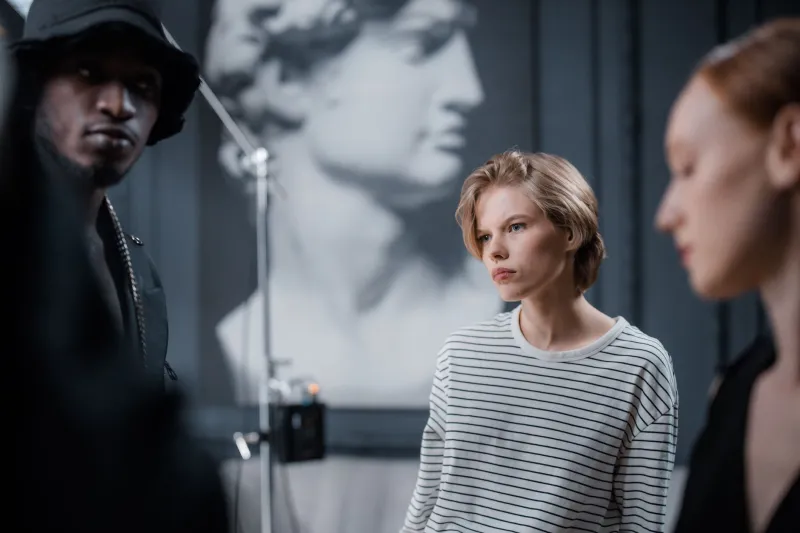
There's a pitch that lands in model inboxes constantly, especially in the spring and fall when benefit season kicks into high gear. It usually goes something like this: We'd love to have you walk in our upcoming charity runway. It's for an incredible cause. Great exposure. No pay, but you'll be helping change lives.
For years, a lot of models said yes. Newer talent saw it as a portfolio opportunity. Established names treated it as reputation maintenance — proof they cared about more than just the check. But something has shifted. Quietly at first, and now loudly enough that organizers are scrambling to fill casting calls that used to overflow with applicants.
Models are walking away. And the reasons are complicated, layered, and long overdue for a real public conversation.
The Exposure Economy Has a Shelf Life
Ask any model who's been in the industry for more than a few years about "exposure" as compensation and you'll likely get a tired laugh. The promise of visibility in exchange for free labor is as old as fashion itself, but the charity runway circuit has leaned on it harder than most.
"I did maybe eight or nine unpaid benefit shows in my first two years," says Maya, a 26-year-old model based in Atlanta who asked us not to use her last name. "I genuinely believed I was building something — connections, a reputation for being generous. But at a certain point I looked around and realized the designers were getting paid, the venue was getting paid, the caterers were getting paid. Everyone had a contract except me."
That observation isn't unique to Maya. Industry insiders who work the charity circuit regularly confirm that the operational infrastructure around these events — lighting crews, sound technicians, hair and makeup artists, event planners — almost always involves paid professionals. Models occupy a strange exception, framed as volunteers participating in something bigger than commerce.
The framing is appealing. It's also, critics argue, convenient.
Burnout Is Real, and It Has a Specific Texture in This Industry
Modeling is physically demanding work in ways that don't always translate to outsiders. Fittings that run three hours long. Rehearsals squeezed between paid bookings. The emotional labor of showing up camera-ready and professionally composed, often for an audience that doesn't fully understand what goes into the performance.
When that work is unpaid, the calculus changes fast.
"The burnout isn't just about being tired," explains Dominique Reyes, a Chicago-based model and advocate who has spoken publicly about labor conditions in the fashion industry. "It's about what it signals — that your time, your body, your professionalism has a dollar value of zero when the cause is good enough. And I think a lot of us have internalized that message for way too long."
Reyes points out that the models most likely to say yes to unpaid charity gigs are also the most economically vulnerable: newer talent who genuinely need the exposure, models from marginalized communities who've been told they should be grateful for any platform, and younger creatives who haven't yet learned to negotiate. The power dynamic, she argues, mirrors exploitative patterns found across the broader gig economy.
What Organizers Are Actually Saying (Off the Record)
Spend enough time talking to charity runway organizers and a more complicated picture emerges. Many of them are genuinely mission-driven, running events on shoestring budgets with the honest intention of moving money toward causes that need it. The decision not to pay models often isn't cynical — it's financial.
"We raised $85,000 last year for our housing nonprofit," says one organizer in Dallas who coordinates an annual benefit show and asked to remain anonymous. "If I pay twenty models even a modest day rate, that's potentially $10,000 or more coming directly off what we send to the cause. I lose sleep over it. But I also don't see another way."
That tension is real, and dismissing it entirely would be unfair. But advocates counter that the framing itself reveals a problem: when model labor is the budget line that gets cut to protect the mission, models are effectively being asked to subsidize the charity's operational costs. That's a meaningful distinction from volunteering.
"There's a difference between choosing to donate your time and being the only person in the room who doesn't have a choice," Reyes says.
The Casting Crisis Is Already Here
Whether organizers want to acknowledge it publicly or not, the talent pool for unpaid charity runway shows is shrinking. Veteran models with established careers have less incentive to participate without compensation. Newer models are becoming more informed about their rights, partly through social media communities where industry norms get discussed openly and bluntly.
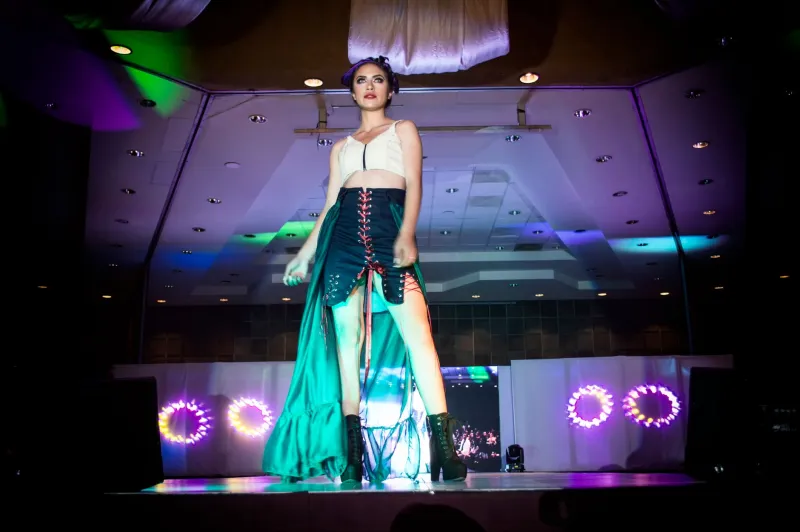
Some events are already feeling the squeeze. Casting calls that once attracted dozens of applicants are coming up short. A few organizations have quietly begun offering stipends — small, but symbolic — to acknowledge the value of model participation. Others have pivoted toward community casting, recruiting non-professional participants from the organizations they support, which carries its own set of considerations around representation and professionalism.
A handful of forward-thinking events have restructured their budgets more deliberately, treating model compensation as a non-negotiable line item rather than an afterthought.
"We started paying our models two years ago," says Lena Park, who organizes a benefit show in Seattle that supports LGBTQ+ youth services. "It meant we had to be more aggressive about corporate sponsorships and more disciplined about other costs. But it changed the energy of the whole event. People showed up differently. The show was better. And honestly, we raised more money because the production quality went up."
Rethinking What 'Giving Back' Actually Means
The deeper question that the charity runway world needs to sit with isn't really about budget math. It's about values alignment. If the mission of a benefit show is to advocate for dignity, equity, and human worth — which most of them are, at least rhetorically — then the internal practices of that show should reflect those same commitments.
Asking the most economically precarious people in the room to donate their professional labor while everyone else invoices for theirs is a contradiction. It's not a comfortable thing to say about events that are genuinely trying to do good. But discomfort is usually where the most necessary conversations live.
Models walking away from unpaid gigs aren't abandoning philanthropy. Many of them are deeply committed to the causes these events support. What they're rejecting is a version of charity that asks them to absorb a cost that the event itself should be bearing.
For the organizers paying attention, that rejection is actually an opportunity. It's a chance to build benefit shows that practice what they preach all the way down to the casting call — where every person on that runway knows their presence was valued enough to earn a fair exchange.
That's the kind of runway worth walking.