Burned Out Before the Bow: The Silent Crisis Driving Charity Runway Organizers to the Exit
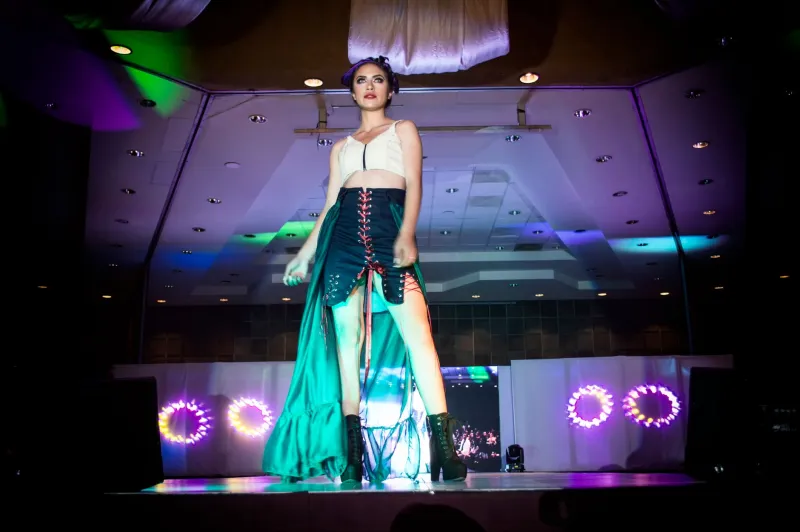
The lights go down. The music swells. Models glide past rows of well-dressed donors who've paid anywhere from $150 to $1,500 for the privilege of feeling like they're part of something meaningful. It looks effortless. It almost always isn't.
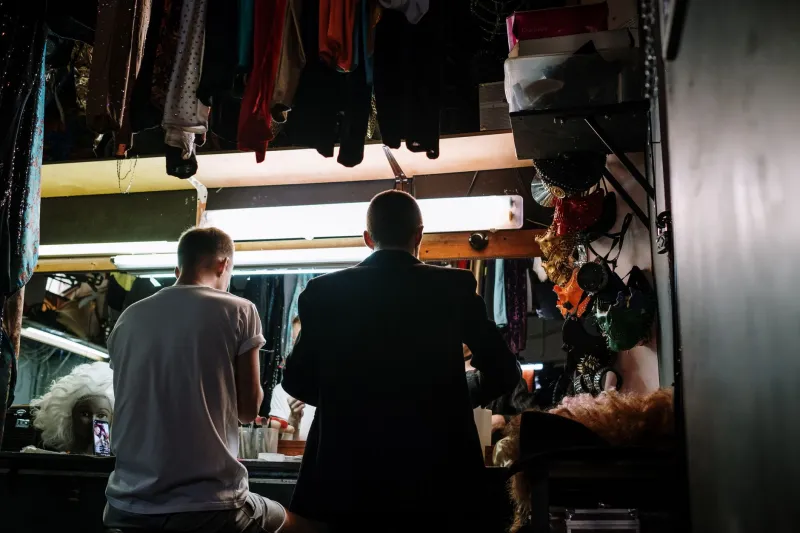
What the audience doesn't see — what the Instagram recaps never capture — is the coordinator who hasn't slept in three days, the volunteer who quit two weeks before showtime, or the venue deposit that wiped out half the event's projected donation before a single ticket was sold. Charity fashion events have a burnout problem, and it's quietly dismantling some of the most promising philanthropic runway initiatives in the country.
We spent several weeks talking to current and former event organizers across the US — from boutique benefit shows in Atlanta and Portland to mid-size runway galas in Chicago and Philadelphia. What they described wasn't just exhaustion. It was a structural collapse hiding behind sequins.
The Myth of the Passion-Powered Volunteer Machine
Here's a story you've heard before: a passionate person with a background in fashion or nonprofit work decides to combine both worlds. They recruit friends, lean on community goodwill, and pull off a genuinely moving first event. Donors are impressed. A local designer gets a platform. A cause gets a check. Everyone goes home happy.
Then year two comes.
"The first event, people show up because they believe in you personally," said one organizer based in the Pacific Northwest who ran a sustainable fashion benefit show for two years before stepping away. "By the second year, they expect a production. Same passion, but now you need a real budget, a real team, and real systems — and nobody warned you about that transition."
This gap between the scrappy first-year energy and the operational demands of a sustainable event is where most charity runway initiatives quietly die. Organizers frequently underestimate the infrastructure required to scale even modestly — things like insurance riders, AV contracts, accessibility compliance, backstage logistics, and post-event financial reporting to the benefiting nonprofit. These aren't glamorous line items. They're also non-negotiable.
The Emotional Labor Nobody Budgets For
Beyond the logistics, there's a more insidious drain that organizers rarely talk about publicly: the emotional weight of being the connective tissue between a cause, a community, and a creative industry that doesn't always play nice together.
Charity fashion events sit at the intersection of ego, altruism, and commerce — a volatile combination. Organizers frequently find themselves mediating between designers who want more runway time, donors who want better seats, nonprofits that need tighter reporting, and sponsors whose branding demands are inching toward the absurd. All while maintaining the kind of warm, enthusiastic public face that keeps ticket sales moving.
"I was a therapist, a logistics coordinator, a graphic designer, and a hype person simultaneously," said a former organizer in the mid-Atlantic region who ran three benefit shows before burning out entirely. "And I was doing most of it for free because the budget couldn't support a real salary. When the third event broke even and I still ended up in debt from personal expenses, I just couldn't justify continuing."
This pattern — organizers absorbing personal financial risk in service of a charitable mission — is alarmingly common. And it's not sustainable.
Red Flags Donors and Attendees Should Actually Watch For
So what does an event on the verge of collapse actually look like from the outside? More than you'd think. Here are the signals worth paying attention to before you buy that ticket or write that check.
Vague financial transparency. If an event's website or promotional materials can't clearly explain what percentage of proceeds go directly to the cause — versus covering operational costs — that's a problem. Legitimate events publish this information. Events that don't often can't afford to.
Frequent leadership changes. If the event coordinator or lead organizer has changed between the first and second year, ask why. High turnover at the top is a reliable indicator of internal dysfunction, underpayment, or mission drift.
Sponsor-heavy programming. When the runway lineup starts to look more like a brand showcase than a cause-driven event, the original mission has likely been compromised to keep the lights on. Sponsors aren't inherently bad — but when they're driving the creative direction, donors are funding someone's marketing budget as much as any charitable cause.
No post-event impact report. Any charity event worth attending should be able to tell you, after the fact, exactly how much was raised and exactly where it went. If a previous year's event has no public accounting, that silence is telling.
Overreliance on one person. If everything — the vendor relationships, the nonprofit partnerships, the social media presence — runs through a single individual, the event is one burnout away from total collapse. Resilient organizations distribute responsibility.
What Sustainable Event Infrastructure Actually Looks Like
The good news is that some organizers are figuring this out. The ones who survive long enough to build something meaningful tend to share a few key traits.
They pay people — or at minimum, they're radically honest about the unpaid labor they're asking for and build toward compensation as the event grows. They establish formal partnerships with nonprofits rather than treating them as last-minute beneficiaries. They create documented processes so the event can survive a leadership change. And they resist the pressure to scale before they've built the foundation to support it.
In cities like Minneapolis and Denver, a handful of charity runway collectives have started adopting nonprofit governance structures themselves — complete with boards, bylaws, and annual audits. It's less glamorous than a solo passion project, but it's also still running in year four.
"The events that last are the ones that treat themselves like organizations, not moments," said one Chicago-based organizer who has successfully transitioned her annual benefit show into a registered nonprofit. "A moment is beautiful. An organization creates change."
The Cost of Looking Away
When a charity fashion event collapses — and many do, quietly, between year one and year three — the damage isn't just financial. Designers who participated lose a platform they may have counted on. Nonprofits lose a funding stream they'd begun to plan around. Donors lose trust in the entire model. And organizers, often the most committed people in the room, walk away with debt, exhaustion, and a complicated relationship with the cause they tried to serve.
The runway is a powerful symbol. When it works, it genuinely moves people — toward generosity, toward awareness, toward action. But the infrastructure holding up that runway matters just as much as what happens on it. Ignoring the signs of strain doesn't protect the cause. It just delays the collapse.
Next time you're evaluating a charity fashion event — as a donor, an attendee, or a potential volunteer — look past the aesthetic. Ask the hard questions. The organizer behind the curtain will either have real answers or they won't. Either way, you'll know what you're actually supporting.