Dressed to Deceive: How Some Fashion Giants Use Charity Runways to Cover Up Dirty Supply Chains

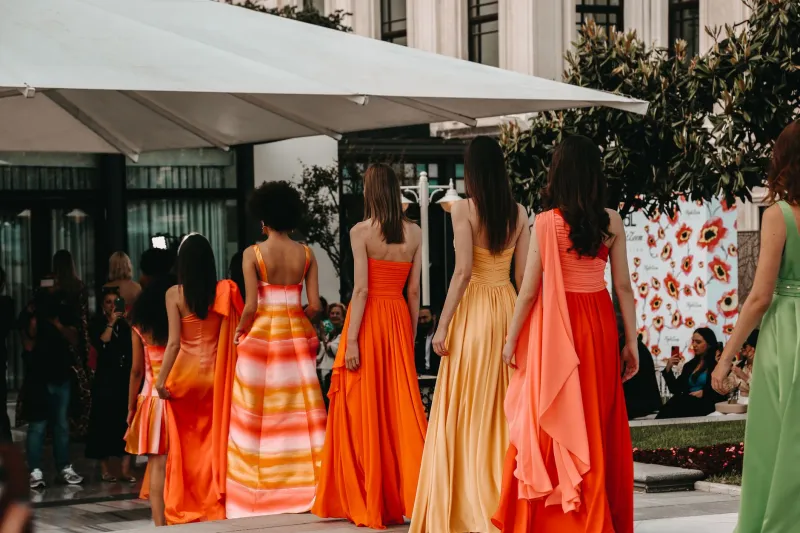
Photo by Photo by Armen Aydinyan on Unsplash on Unsplash
There's a moment at every high-profile charity fashion event where the room goes electric. The lights dim, the music swells, and a well-known brand's logo glows behind a runway lined with purpose-driven messaging. Attendees feel good. Donors feel generous. The brand's social media team is already queuing up the recap reel.
But somewhere far from that glamorous ballroom — in a garment factory in Bangladesh, a textile mill in Cambodia, or a dye house in India — workers are clocking 14-hour shifts for wages that won't cover rent. And the brand throwing that feel-good runway show? They're cutting checks to their supplier to keep costs low and margins high.
This is what fashion justice advocates are calling the Serendipity Trap: the convenient timing of charitable spectacle that just so happens to drown out inconvenient questions about where and how clothes actually get made.
The Optics Game Nobody Wants to Name
Let's be direct about what's happening here. Corporate reputation management is a real and expensive industry, and charity partnerships are one of its most effective tools. A brand that writes a $250,000 check to a children's hospital and sponsors a runway event in its honor generates enormous goodwill — and enormous media coverage that crowds out investigative reporting on labor violations.
"It's not always intentional, but the effect is the same," says one supply chain auditor who works with nonprofits across Southeast Asia and asked to remain anonymous due to client confidentiality agreements. "A brand gets a wave of positive press from a charity event, and suddenly the story about their Tier 2 supplier paying below minimum wage just... doesn't get the same traction."
Fashion justice advocates in the US have been tracking this pattern for years. Organizations like Fashion Revolution USA and the Worker Rights Consortium have documented cases where brands with documented labor violations — unpaid overtime, unsafe working conditions, suppressed union organizing — have simultaneously positioned themselves as philanthropic leaders in the fashion space.
The disconnect is staggering. And it's largely going unchallenged because charity runway events are, by design, celebratory spaces. Nobody wants to be the person raising uncomfortable questions when the vibe is generosity and community.
What "Charity Partner" Actually Means
When a brand signs on as a "charity partner" for a runway event, the arrangement rarely looks the way audiences assume it does. In many cases, the brand's financial contribution is structured as a marketing expense, not a donation. The logo placement, the VIP table access, the co-branded content — these are deliverables in a sponsorship agreement, not acts of altruism.
Meanwhile, the nonprofit receiving the funds often has little to no visibility into the brand's supply chain practices. They're not vetting labor records. They're not auditing factory conditions. They're accepting a check and a partnership announcement, because that's how nonprofit fundraising works.
"Nonprofits are under enormous pressure to secure funding," explains Dr. Keisha Monroe, a researcher at a Midwest university who studies corporate social responsibility in the fashion industry. "They're not equipped to be supply chain watchdogs, and honestly, that's not their job. But it does mean that a brand can launder its reputation through a cause without anyone in that transaction asking hard questions."
Dr. Monroe's research has found that brands with the most aggressive charity runway presences are not necessarily the brands with the strongest labor practices. In fact, some of the loudest philanthropic voices in fashion rank poorly on independent supply chain transparency indices.
The Auditors Aren't Fooled
People who actually do supply chain auditing for a living have a complicated relationship with corporate charity announcements. On one hand, any money flowing to legitimate causes does real good. On the other hand, they've seen too many cases where a brand's philanthropic pivot coincides suspiciously with a pending exposé or a regulatory inquiry.
"The timing is often the tell," says Marcus Ellison, a supply chain compliance consultant based in New York who has worked with brands across the fast fashion and contemporary market segments. "You'll see a brand announce a major charity runway partnership within weeks of a labor rights report dropping. That's not serendipity. That's crisis communications."
Ellison points to a broader industry pattern where brands invest heavily in front-of-house charity visibility while quietly resisting the kind of back-end transparency that would actually hold them accountable — things like publishing full supplier lists, allowing independent third-party audits, or committing to living wage standards across their supply chains.
"A charity runway event is visible. It photographs beautifully. It generates press. A living wage policy at a factory in Ho Chi Minh City is invisible to the consumer. Brands know this, and they make calculated decisions about where to spend their reputation-building dollars."
What Genuine Integration Actually Looks Like
To be fair, not every brand using charity runways as a platform is running a reputation laundry operation. There are companies — often smaller, independent labels — that have done the harder work of aligning their philanthropic activities with their actual business practices.
Brands like Eileen Fisher and Patagonia have built supply chain transparency into their core operations, not as a marketing campaign but as an ongoing structural commitment. When these companies participate in cause-driven fashion events, there's a coherence between what they're saying on the runway and what's happening in their factories.
The difference, advocates say, comes down to accountability infrastructure. Does the brand publish an annual transparency report? Do they have a public supplier list? Have they committed to specific, measurable labor standards with third-party verification? If the answer to those questions is yes, their charity runway presence is probably genuine. If the answer is a glossy impact PDF with no verifiable data, that's a red flag.
"We call it the 'show your work' test," says one fashion justice advocate based in Los Angeles. "Any brand can say they care about people and the planet. Show me the audit reports. Show me the wage data. Show me what happens when a supplier violates your code of conduct. That's where you find out who's real."
What You Can Do Before You Buy the Ticket
For style-conscious audiences who genuinely want their charity event dollars to mean something, there are practical steps worth taking before you commit to attending — or buying from — a brand-sponsored runway event.
Start with the Good On You app or the Fashion Transparency Index, both of which rate brands on their labor and environmental practices using publicly available data. If a brand is sponsoring a charity runway but scoring poorly on either of those platforms, ask why.
Look for events that have explicit ethical sourcing requirements for participating brands. Some of the most impactful charity runway events in the US now require sponsor brands to meet minimum transparency standards as a condition of partnership — that's the kind of structural accountability that actually moves the needle.
And don't be afraid to ask direct questions. Email the event organizers. Post on their social channels. Ask them what vetting process they use for brand partners. Legitimate events with genuine commitments will have an answer. Events that are primarily fundraising vehicles for the organizing brand's PR team often won't.
The Runway Isn't the Whole Story
Charity fashion events can be genuinely powerful spaces for community building, fundraising, and advocacy. We believe that here at Catwalk 4 A Cause — it's literally what we're about. But that belief comes with a responsibility to be honest about when the runway is being used as cover rather than as a catalyst.
The brands that deserve a platform at cause-driven events are the ones doing the unglamorous, behind-the-scenes work of building ethical supply chains, paying fair wages, and submitting to real accountability. The ones using charity runways as a reputation management tool are taking up space that belongs to someone doing better.
The next time you see a brand's logo glowing behind a philanthropic runway, ask yourself: does their commitment end when the lights come up? Because if it does, that's not a partnership. That's a photo op.