One Night Isn't Enough: How Charity Runways Are Finally Betting on Emerging Designers for the Long Haul
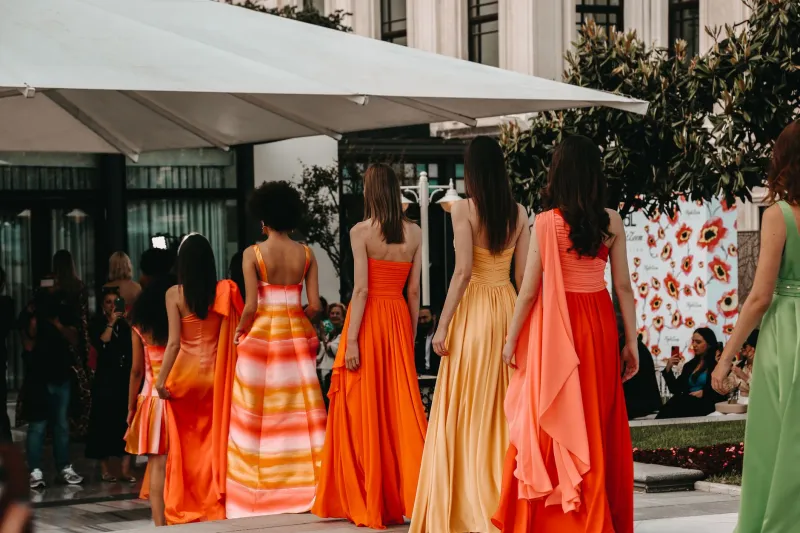
Let's be honest about something the charity fashion world doesn't love to say out loud: most benefit runway shows are not launching pads. They're reunion tours. The same established designers cycle through the same glittering events, the cause gets a check, the crowd gets a night out, and the emerging talent who could desperately use the exposure? They're either seated in the back rows or not in the room at all.
That's not a knock on every organization doing this work. Running a runway event that actually raises money is genuinely hard, and leaning on recognizable names to sell tickets makes financial sense. But there's a real cost to that calculation—one that lands squarely on the shoulders of designers who are talented, hungry, and completely locked out of an industry that keeps promising to open its doors.
So what does it actually look like when a charity fashion event decides to do something different?
The Revolving Door Problem
Here's how the cycle usually works. A nonprofit or foundation hosts a benefit runway show. They need buzz and ticket sales, so they recruit designers with existing followings. Those designers get another high-profile credit. The event raises money. Everyone goes home. And next year, the whole thing repeats with largely the same roster.
Emerging designers—particularly those from underrepresented communities who already face structural barriers in fashion—are left out of that loop almost by design. They don't have the PR teams, the industry relationships, or the name recognition that makes them an easy yes for event organizers under pressure to deliver a polished show. The result is a philanthropic space that talks a lot about lifting people up while quietly maintaining the same hierarchies that keep fashion gatekept in the first place.
The mentorship gap isn't just about runway access, either. It's about what doesn't come after. A single show appearance, even a well-publicized one, rarely translates to a career breakthrough without follow-through—introductions to buyers, access to production resources, guidance on building a sustainable business model. Most charity events aren't set up to provide any of that. They're events, not ecosystems.
What Genuine Investment Actually Looks Like
A handful of organizations around the country are starting to rethink what a charity runway can be when it's designed with emerging designers at the center rather than the margins.
The model that's gaining the most traction pairs runway access with structured mentorship programs that extend well beyond the event itself. Think multi-month cohorts where emerging designers work alongside industry veterans—not just for a photo op, but for real coaching on everything from pricing strategy to navigating wholesale relationships. The runway show becomes a capstone, not a consolation prize.
Some programs are going further by building production funding directly into their structure. One of the most persistent barriers for emerging designers trying to participate in any runway event, charitable or otherwise, is the sheer cost of putting a collection together at show-ready scale. When organizations absorb or subsidize those production costs, they remove a gatekeeping mechanism that has nothing to do with talent and everything to do with who already has capital.
Connections matter enormously too, and the best programs are getting intentional about brokering them. That means bringing buyers, editors, and stylists into the room not just as audience members but as active participants—people who walk away with designers' contact information and a reason to follow up. It means making warm introductions rather than just sharing a program booklet.
The Difference Between Exposure and Opportunity
There's a word that gets thrown around a lot in these conversations, and it's worth pushing back on: exposure. Emerging designers have been told for decades that visibility is the gift, that being seen on the right stage is enough. It isn't. Exposure without infrastructure is just a nice memory.
The organizations doing this well understand that distinction. They're not just offering a slot in a show—they're offering a relationship with the industry. And they're designing their events so that the philanthropic mission and the designer development mission are genuinely intertwined, not competing priorities.
That framing matters because it changes who gets credit. When emerging designer success becomes part of what a charity runway is for—not a side benefit but a central outcome—funders and donors start paying attention to it differently. Impact metrics expand beyond dollars raised to include designers launched, businesses sustained, communities invested in. That's a more honest accounting of what fashion philanthropy can actually accomplish.
Why the Established-Name Model Is Starting to Show Its Limits
There's also a generational shift happening that's making the old model feel increasingly stale. Younger audiences—the ones charity fashion events need to stay relevant—are less impressed by legacy names and more energized by discovery. They want to find the next great designer, not watch established brands take another victory lap under a charitable banner.
That appetite creates a real opening. Benefit shows that can credibly say we found them first have something genuinely exciting to offer ticket buyers and donors. The story of a designer whose career was meaningfully changed by a program—who went from struggling to get their work seen to landing their first retail partnership—is a compelling fundraising narrative. It's also just a better story than another gala where everyone already knows everyone.
Building the Pipeline, Not Just the Moment
The most encouraging thing about the organizations getting this right is that they're thinking in terms of pipelines rather than events. A pipeline means recruiting designers early, supporting them through a development process, giving them a public moment, and then staying connected to their careers afterward. It means measuring success over years, not nights.
That's a harder thing to fund and a harder thing to organize. It requires sustained relationships with industry partners, consistent programming budgets, and a willingness to let emerging talent be messy and experimental in ways that polished benefit shows traditionally don't allow. But the payoff—for the designers, for the causes being supported, and for the long-term health of fashion philanthropy as a practice—is worth the complexity.
Charity runways have always had the potential to be more than glamorous fundraisers. They sit at the intersection of community, creativity, and purpose in a way that almost no other format does. Using that intersection to actually change someone's career trajectory? That's where the real impact lives. One night can be the beginning of something. It just can't be the whole thing.